

Professional writers do not rely on inspiration alone: they build repeatable conditions that make it easier to begin, focus, and finish. In practice, those conditions include a regular writing cue, a manageable goal, a workable environment, and routines for handling distraction and revision. Research on habits, goal setting, and creative work supports these methods, though […]
Category: Literature

I Spent a Year Chasing Ideas and Found Most Were Childhood Memories
Ideas rarely arrive from nowhere. After a year of chasing projects that seemed novel, I noticed how many led back to childhood: games, places, obsessions, and questions I had carried for decades. That pattern is not proof that every creative idea is a buried memory, but research on autobiographical memory and creativity offers a useful […]

Your Future Only Works If Your Characters Behave Like People
Characters who behave like people are the foundation of believable fiction: they make choices shaped by motives, limits, relationships, and incomplete knowledge rather than simply serving the plot. This matters for stories about the future as much as for contemporary fiction. A 2023 survey by the Authors Guild found that 26% of responding U.S. book […]

Readers Now Sniff Out Characters Who Overshare Too Early
Readers are increasingly alert to characters who disclose their deepest secrets before a story has earned that intimacy. “Early oversharing” is a storytelling pattern in which a character reveals unusually personal information too soon, often weakening suspense, credibility, or emotional impact. It is not automatically a flaw: carefully motivated disclosure can establish trust or urgency. […]

Don’t announce your theme in chapter one, your readers will roll their eyes
Readers usually recognize a story’s theme through the choices its characters make, the conflicts they face, and the consequences of their actions—not because the opening announces a moral. A theme is a story’s developing insight about an idea, such as loyalty or ambition; stating it outright in chapter one can make fiction feel preachy and […]

The Overlooked Skill Every Novelist Needs: Believable Weird Spaces
Believable weird spaces are uncanny, impossible, or unfamiliar settings that still obey enough consistent rules for readers to understand how characters move through them and what those places mean. For novelists, the overlooked skill is not merely inventing strangeness; it is making strangeness legible. Research on narrative comprehension shows that readers build mental models of […]

The psychology of belonging when fitting in costs everything
Belonging is the experience of feeling accepted, valued, and connected to other people or a community. But when fitting in requires hiding identity, suppressing beliefs, or tolerating harm, the price can be psychological distress rather than genuine connection. Research links social exclusion with threats to self-esteem and belonging, while workplace and health studies show that […]
How Real Bodies Move, Breathe, and Reveal Emotion in Fiction
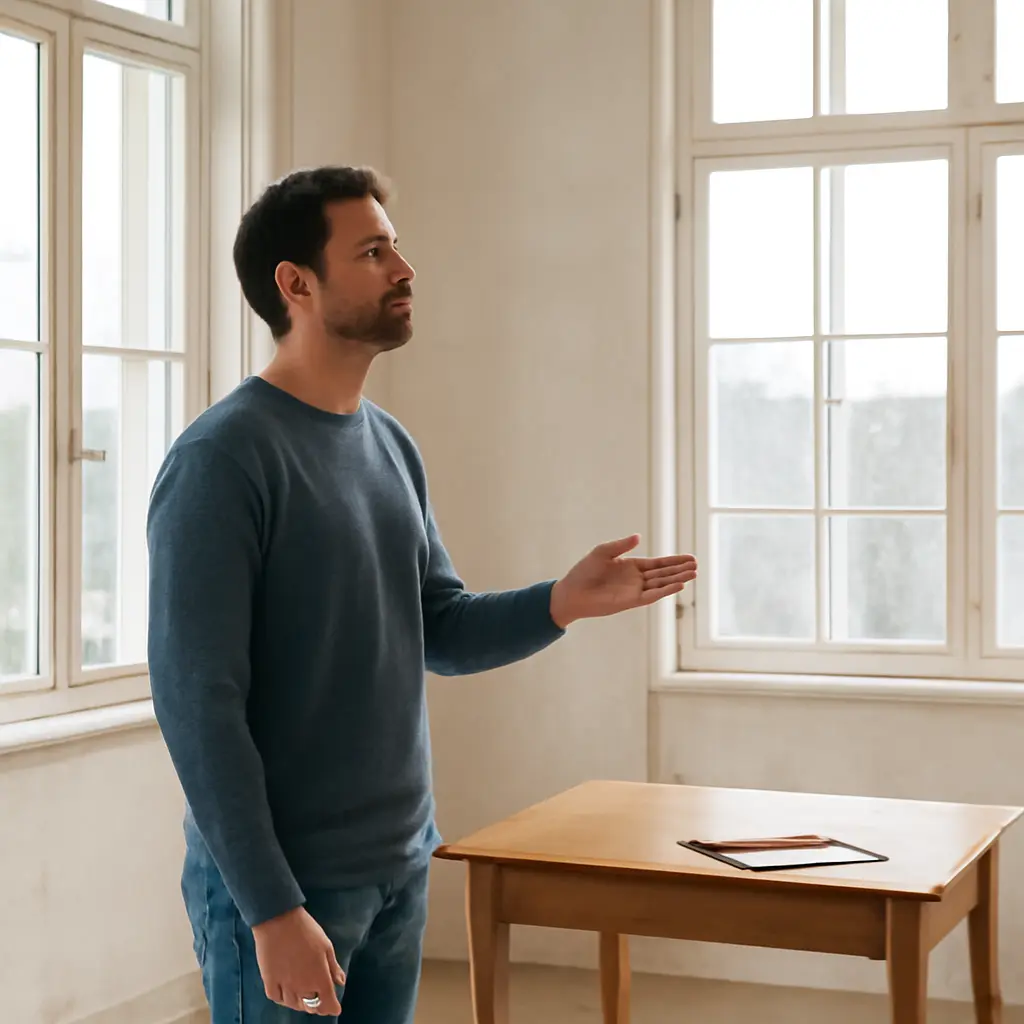
A body in fiction is not a prop that carries a character’s dialogue; it is a living system that moves, breathes, senses, and responds. Writers make bodies feel real by linking visible action to physical conditions and emotional stakes: a character’s pace can change with fatigue, breath can catch under stress, and a hand can […]

Death in storytelling, from ancient myths to modern streaming shows
Death in storytelling is the representation of a character’s dying, absence, or return, and the meaning a narrative gives that change. From ancient Greek tragedy and myths of the underworld to contemporary streaming dramas, death can mark an ending, test a community, motivate a protagonist, or make grief visible. Its forms range from heroic sacrifice […]

What to Do When You Feel Uninspired to Write Simple Strategies That Help You Reconnect With Creativity Without Forcing It
Understanding Writer’s Block and Creative Inhibition Writer’s block is broadly defined as a psychological condition in which a writer loses the ability to produce new work or experiences a significant drop in creative output. According to Dr. Jamie Culbertson, a clinical psychologist specializing in creativity research, writer’s block involves an interruption in the cognitive and […]